Vitamin D Deficiency: Signs, Lab Values, and How to Fix It
Are your Vitamin D levels too low? Learn what your lab results mean, symptoms of deficiency, and evidence-based ways to optimize your Vitamin D.
The Sunshine Vitamin Crisis
Vitamin D deficiency is one of the most common nutritional deficiencies worldwide. Studies estimate that over 40% of adults have insufficient levels, and many don't know it because symptoms develop gradually.
Understanding Your Vitamin D Levels
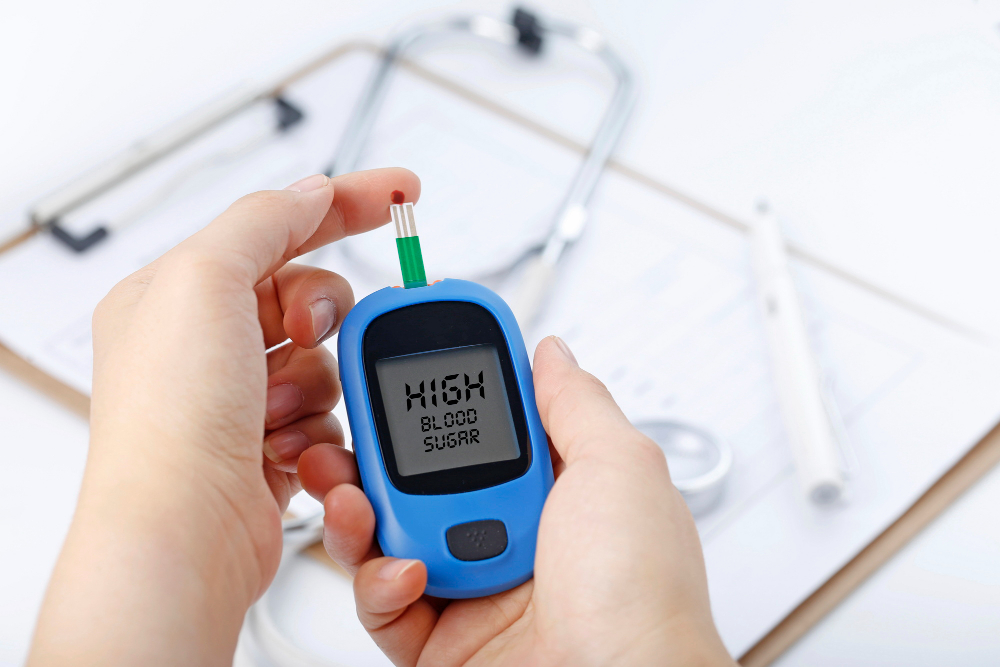
Vitamin D is measured as 25-hydroxyvitamin D in your blood. Here's what the numbers mean:
Severely deficient: Below 12 ng/mL — this can cause bone pain, muscle weakness, and serious health issues.
Deficient: 12-20 ng/mL — you need to take action to raise your levels.
Insufficient: 20-30 ng/mL — below optimal but not critically low.
Sufficient: 30-50 ng/mL — this is the target range for most people.
Optimal: 40-60 ng/mL — some experts recommend this range for maximum health benefits.
High: Above 100 ng/mL — possible toxicity, which is rare and usually only occurs with excessive supplementation.
Signs of Vitamin D Deficiency
Low Vitamin D can manifest in many ways. Common symptoms include persistent fatigue and tiredness, bone pain and lower back pain, frequent illness or infections, depression and mood changes, slow wound healing, and muscle pain or weakness.
Many people attribute these symptoms to stress or aging, when the real cause is a simple nutritional deficiency that's easy to fix.
Why Deficiency is So Common
Several factors contribute to widespread Vitamin D deficiency. Modern lifestyles keep us indoors for most of the day. Sunscreen blocks Vitamin D production in the skin. People living above 37 degrees latitude don't get enough UVB rays during winter months. Darker skin produces less Vitamin D from sunlight. Aging reduces the skin's ability to synthesize Vitamin D.
How to Optimize Your Vitamin D
Supplementation is the most reliable approach. Most doctors recommend 1,000 to 4,000 IU of Vitamin D3 daily for adults with insufficient levels. Vitamin D3 (cholecalciferol) is more effective than D2 (ergocalciferol). Taking it with a meal containing fat improves absorption.
Sun exposure of 10-30 minutes of midday sunlight several times per week can help, depending on your skin tone and location.
Dietary sources include fatty fish (salmon, mackerel), egg yolks, fortified milk and cereals, and mushrooms exposed to UV light.
Retest in 3 Months
After starting supplementation, retest your Vitamin D levels in 8-12 weeks. LabInsightX can track your levels over time and show you whether your supplementation strategy is working.
Understand your lab results with AI
Upload your lab report and get a clear, personalized analysis in 60 seconds. First report is free.
Get My Free Analysis →